The Evolution of Our Physical Relationships with Computation
A case study
The Abacus: Birth of Tactile Computation
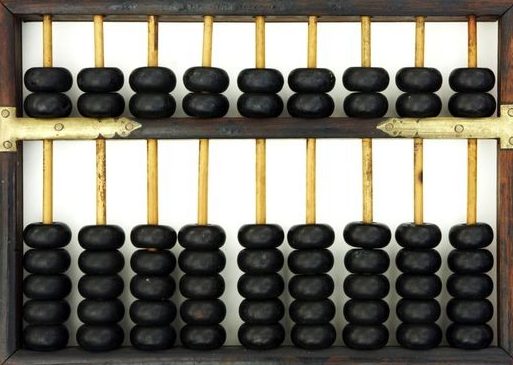
Physical Mirroring
Moving beads on a frame mirrored cognitive processes, engaging the neocortex in a tangible way.
Touch vs. Thought
The abacus represented the first instance of tactile computation, bridging the gap between physical manipulation and mental calculation.
Cognitive Engagement
This tool laid the foundation for our physical relationship with computational devices.
The Slide Rule: Extension of the Human Hand

Watershed in Computation
The triple log KG slide rule marked a significant milestone in computational history
Direct Manipulation
Required active, continuous engagement through hand manipulation to perform calculations.
Intuitive Relationship
Fostered muscle memory, pattern recognition, and an intuitive understanding of numbers.
The IBM Selectric Typewriter: Mechanical Extension of Thought

Iconic Typeball
Revolutionary mechanism allowing unprecedented typing speed and accuracy.
Satisfying Physicality
Distinctive sound and mechanical response created a unique user experience. Very different experience to dictating to Siri.
Early Word Processing
Introduced MAG card memory, bridging mechanical and digital word processing.
The ENIAC: First Programmable Computer
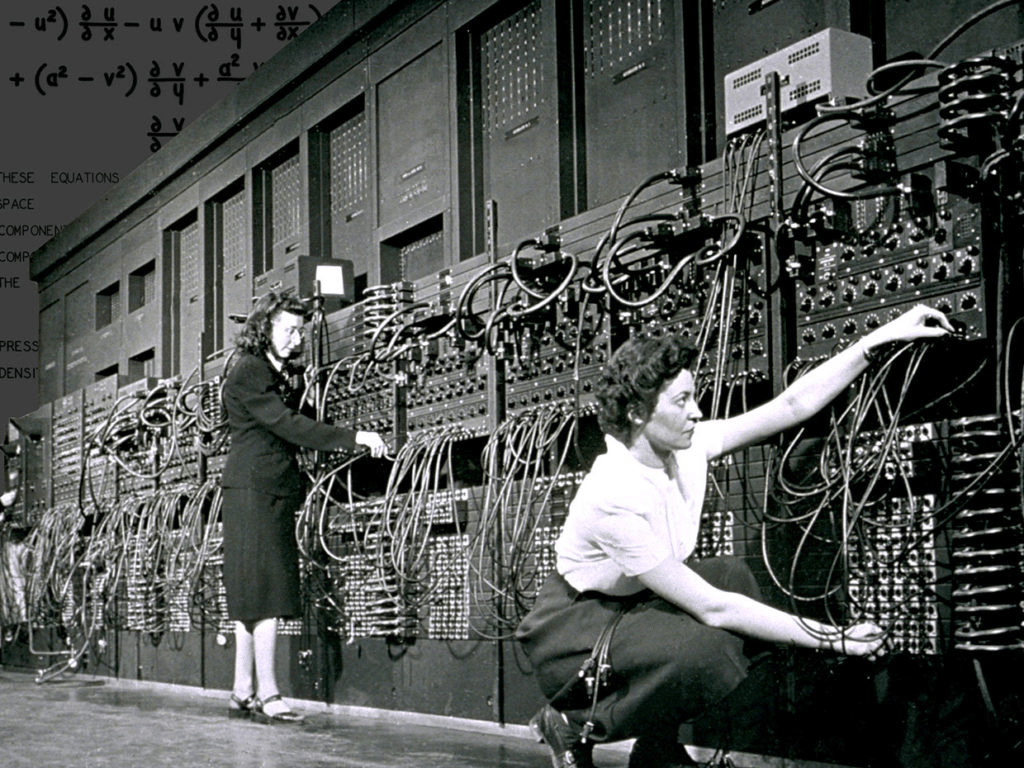
Physical Labor
Required punching cards, pulling switches, and manually rewiring circuits.
Direct Intervention
Massive machine necessitated hands-on human interaction for operation.
Women in Computing
Majority of operators were women, pioneering the field of computer programming.
Blackberry Smartphones: The Pearl
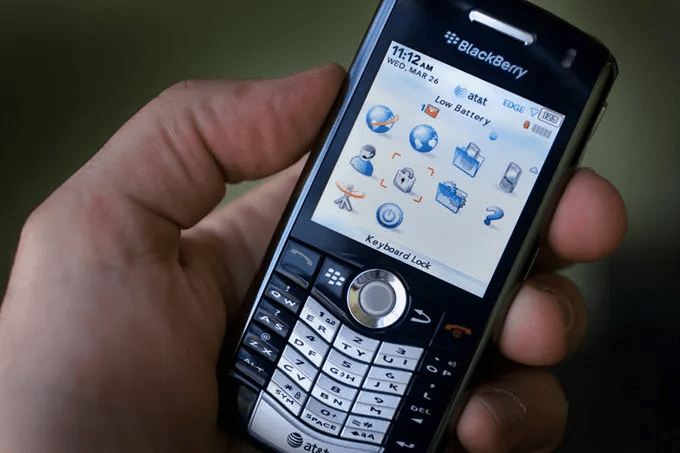
Tactile Rewards
Satisfying clicks from the Qwerty keyboard created an addictive user experience.
Innovative Navigation
Introduced the trackball (pearl), revolutionizing mobile device interaction and introducing scrolling.
Full Control
Still had full control over mobile devices: Typed things manually
The Palm Pilot: Writing on Screen

Stylus Input
First handheld computer requiring a stylus for input, preserving the fluidity of handwriting.
Direct Screen Interaction
Allowed users to write directly on the screen, creating a unique connection with the device.
Personal Touch
Maintained individual personality in digital interactions through handwriting.
Wii Remote: Full-Body Computing
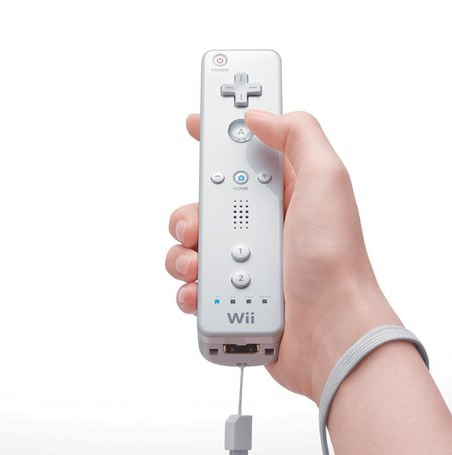
Motion Controls
Introduced motion-based controls, integrating full-body movements into computing.
Paradigm Shift
Marked a turning point, as future HCI pivoted from motion to neural interaction.
Dead End
Computing was moving more towards abstraction, not physicality.
The Xbox Controller: Enduring Physical Interface

Logitech G F710 Wireless Gamepad (Controller used for The Titan Submersible)
Enduring Physical
Interaction One of the most long-lasting physical relationships with a computing device.
HCI Standard
Set a physical interaction standard applied in other fields, such as drone control.
Ubiquitous Haptic Feedback
Pioneered the use of vibration feedback, enhancing the gaming experience.
iPhone 16: The Vanishing Touch
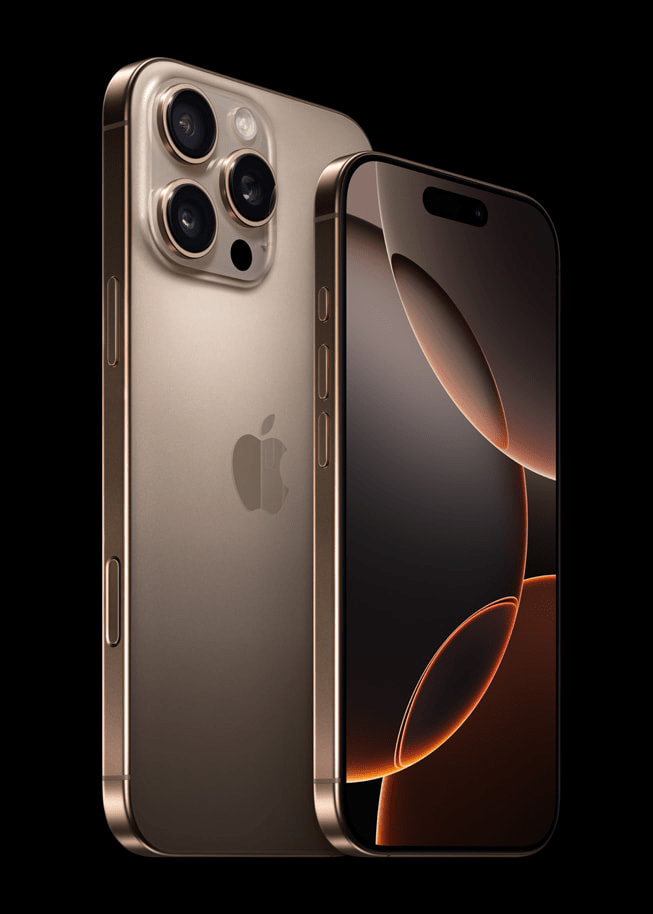
Removal of Physical Buttons
Shift towards gesture-based controls and AI automation.
Minimal Physical Interaction
AI-generated responses, eye tracking, and predictive automation reduce tactile engagement.
Audio Mimicry
Sound replaces touch, with audio feedback mimicking physical button presses.
50% Connected, 50% Disconnected: The Single Wireless Earbud

Blurred Boundaries
Users often don’t register whether they’re online or offline.
Subconscious Integration
Integrates the digital world into our subconscious experience.
Passive Interaction
Does not require active input, marking a shift in human-computer interaction.
Meta Glasses: Computing in Your Field of Vision
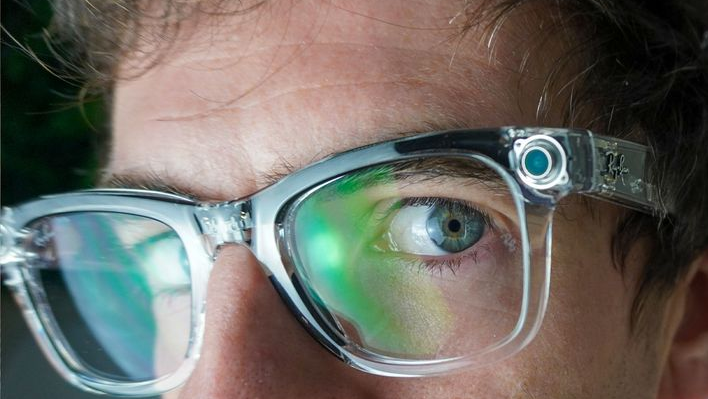
Minimal Physical
Interaction Relies on voice commands and subtle gestures.
Visual Integration
Exists in the user’s field of vision, blending digital and physical worlds.
Neocortex Engagement
Enhances interactions with our neocortex through visual and auditory stimuli.
Neuralink: The Future of Brain-Machine Interfaces

Direct Brain-Machine Interface
Eliminates the barrier between thought and action.
Cognitive Revolution
Fundamentally changes human cognition and interaction with technology.
Pure Neural Activity
Transitions from full-body engagement to purely neural interaction with computers.
 VedantJM